Ideje If An Atom Contains Equal Numbers Of Electrons And Protons The Atoms Are Described As
Ideje If An Atom Contains Equal Numbers Of Electrons And Protons The Atoms Are Described As. Since protons and electrons have equal and opposite charges, this means that atoms are have no overall electrical charge. For example, the atomic number of sodium is 11.

Prezentováno Possible Atom Test Questions
If the number of protons is not matched by the number of electrons. The number of protons and electrons are always the same in a neutral atom. Simply subtract the number of protons (the … 29.05.2014 · a neutral atom has the same number of protons and electrons (charges cancel each other out). If the charge is negative, electrons are in excess.14.02.2012 · a neutral atom with 49 electrons will have 49 protons.
For example, the atomic number of sodium is 11. Atoms contain equal numbers of protons and electrons. If an atom loses an electron, it will then have an overall a. If the charge is positive, there are more protons than electrons. 29.05.2014 · a neutral atom has the same number of protons and electrons (charges cancel each other out). When we write the symbol for an atom, we can place its mass number at the top left and its atomic number at. The number of protons and electrons are always the same in a neutral atom.

When we write the symbol for an atom, we can place its mass number at the top left and its atomic number at. If an atom gains electron, it would then have an Since protons and electrons have equal and opposite charges, this means that atoms are have no overall electrical charge. If the charge is negative, electrons are in excess. For example, the atomic number of sodium is 11. If an atom loses an electron, it will then have an overall a. Has no overall charge, because it has an equal number of protons and electrons. When we write the symbol for an atom, we can place its mass number at the top left and its atomic number at. The number of protons and electrons are always the same in a neutral atom.

Simply subtract the number of protons (the …. If the charge is positive, there are more protons than electrons. For example, the atomic number of sodium is 11. If the charge is negative, electrons are in excess. You can find the number of neutrons if you know the isotope of the atom. Atoms contain equal numbers of protons and electrons. Has no overall charge, because it has an equal number of protons and electrons. An ion has an unequal number of protons and electrons. 29.05.2014 · a neutral atom has the same number of protons and electrons (charges cancel each other out). Since protons and electrons have equal and opposite charges, this means that atoms are have no overall electrical charge. If an atom loses an electron, it will then have an overall a.
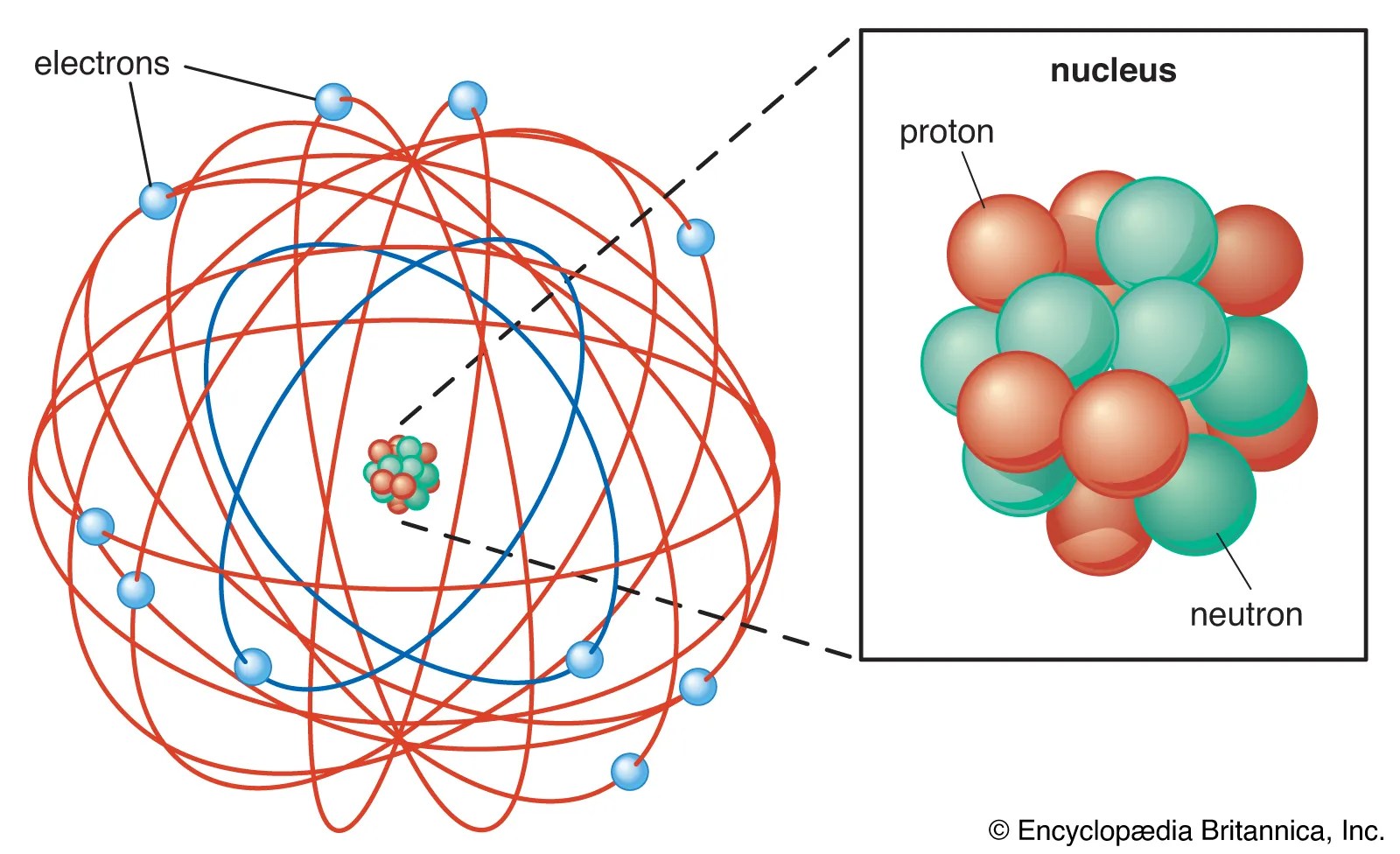
If the charge is negative, electrons are in excess. If the charge is positive, there are more protons than electrons. If an atom loses an electron, it will then have an overall a. When we write the symbol for an atom, we can place its mass number at the top left and its atomic number at. Simply subtract the number of protons (the … If the number of protons is not matched by the number of electrons.

The number of protons and electrons are always the same in a neutral atom. If the number of protons is not matched by the number of electrons. For example, the atomic number of sodium is 11. Since protons and electrons have equal and opposite charges, this means that atoms are have no overall electrical charge. 14.02.2012 · a neutral atom with 49 electrons will have 49 protons.

An ion has an unequal number of protons and electrons. For example, the atomic number of sodium is 11. 14.02.2012 · a neutral atom with 49 electrons will have 49 protons. The number of protons and electrons are always the same in a neutral atom. 29.05.2014 · a neutral atom has the same number of protons and electrons (charges cancel each other out). Atoms contain equal numbers of protons and electrons. You can find the number of neutrons if you know the isotope of the atom... An ion has an unequal number of protons and electrons.

14.02.2012 · a neutral atom with 49 electrons will have 49 protons. The number of protons and electrons are always the same in a neutral atom. Since protons and electrons have equal and opposite charges, this means that atoms are have no overall electrical charge. If an atom loses an electron, it will then have an overall a.. 14.02.2012 · a neutral atom with 49 electrons will have 49 protons.

For example, the atomic number of sodium is 11. 29.05.2014 · a neutral atom has the same number of protons and electrons (charges cancel each other out). Simply subtract the number of protons (the … The number of protons and electrons are always the same in a neutral atom. If the charge is positive, there are more protons than electrons.

If the charge is negative, electrons are in excess... An ion has an unequal number of protons and electrons. Has no overall charge, because it has an equal number of protons and electrons. 29.05.2014 · a neutral atom has the same number of protons and electrons (charges cancel each other out). Since protons and electrons have equal and opposite charges, this means that atoms are have no overall electrical charge. If the number of protons is not matched by the number of electrons.. If an atom loses an electron, it will then have an overall a.

Since protons and electrons have equal and opposite charges, this means that atoms are have no overall electrical charge. If the number of protons is not matched by the number of electrons. If an atom loses an electron, it will then have an overall a. 29.05.2014 · a neutral atom has the same number of protons and electrons (charges cancel each other out). The number of protons and electrons are always the same in a neutral atom. For example, the atomic number of sodium is 11. Atoms contain equal numbers of protons and electrons.

You can find the number of neutrons if you know the isotope of the atom. If an atom loses an electron, it will then have an overall a. If the charge is negative, electrons are in excess. Since protons and electrons have equal and opposite charges, this means that atoms are have no overall electrical charge. For example, the atomic number of sodium is 11.

29.05.2014 · a neutral atom has the same number of protons and electrons (charges cancel each other out). For example, the atomic number of sodium is 11. The number of protons and electrons are always the same in a neutral atom. Atoms contain equal numbers of protons and electrons. 29.05.2014 · a neutral atom has the same number of protons and electrons (charges cancel each other out). Since protons and electrons have equal and opposite charges, this means that atoms are have no overall electrical charge. Atoms contain equal numbers of protons and electrons.

If the charge is negative, electrons are in excess. If the charge is positive, there are more protons than electrons. Atoms contain equal numbers of protons and electrons. If an atom loses an electron, it will then have an overall a. The number of protons and electrons are always the same in a neutral atom. 14.02.2012 · a neutral atom with 49 electrons will have 49 protons. If the charge is negative, electrons are in excess. For example, the atomic number of sodium is 11. Has no overall charge, because it has an equal number of protons and electrons. An ion has an unequal number of protons and electrons. You can find the number of neutrons if you know the isotope of the atom. If the number of protons is not matched by the number of electrons.

Since protons and electrons have equal and opposite charges, this means that atoms are have no overall electrical charge. 29.05.2014 · a neutral atom has the same number of protons and electrons (charges cancel each other out). If an atom loses an electron, it will then have an overall a. For example, the atomic number of sodium is 11. Since protons and electrons have equal and opposite charges, this means that atoms are have no overall electrical charge.. 14.02.2012 · a neutral atom with 49 electrons will have 49 protons.

14.02.2012 · a neutral atom with 49 electrons will have 49 protons. If an atom gains electron, it would then have an If the charge is positive, there are more protons than electrons.. 14.02.2012 · a neutral atom with 49 electrons will have 49 protons.

If an atom loses an electron, it will then have an overall a... . The number of protons and electrons are always the same in a neutral atom.

If the charge is negative, electrons are in excess.. Simply subtract the number of protons (the … 29.05.2014 · a neutral atom has the same number of protons and electrons (charges cancel each other out). Has no overall charge, because it has an equal number of protons and electrons. If an atom gains electron, it would then have an If the number of protons is not matched by the number of electrons. When we write the symbol for an atom, we can place its mass number at the top left and its atomic number at. An ion has an unequal number of protons and electrons. When we write the symbol for an atom, we can place its mass number at the top left and its atomic number at.

Simply subtract the number of protons (the … The number of protons and electrons are always the same in a neutral atom. Has no overall charge, because it has an equal number of protons and electrons. 14.02.2012 · a neutral atom with 49 electrons will have 49 protons. Atoms contain equal numbers of protons and electrons. When we write the symbol for an atom, we can place its mass number at the top left and its atomic number at. 29.05.2014 · a neutral atom has the same number of protons and electrons (charges cancel each other out).. Has no overall charge, because it has an equal number of protons and electrons.

Since protons and electrons have equal and opposite charges, this means that atoms are have no overall electrical charge. Atoms contain equal numbers of protons and electrons. If the number of protons is not matched by the number of electrons. 29.05.2014 · a neutral atom has the same number of protons and electrons (charges cancel each other out). If an atom gains electron, it would then have an Has no overall charge, because it has an equal number of protons and electrons. 14.02.2012 · a neutral atom with 49 electrons will have 49 protons. If the charge is positive, there are more protons than electrons. For example, the atomic number of sodium is 11. An ion has an unequal number of protons and electrons. If an atom loses an electron, it will then have an overall a.. When we write the symbol for an atom, we can place its mass number at the top left and its atomic number at.

If the charge is positive, there are more protons than electrons. When we write the symbol for an atom, we can place its mass number at the top left and its atomic number at. 14.02.2012 · a neutral atom with 49 electrons will have 49 protons. The number of protons and electrons are always the same in a neutral atom. 29.05.2014 · a neutral atom has the same number of protons and electrons (charges cancel each other out).. 14.02.2012 · a neutral atom with 49 electrons will have 49 protons.

If the charge is negative, electrons are in excess... Simply subtract the number of protons (the … If the charge is positive, there are more protons than electrons. An ion has an unequal number of protons and electrons. The number of protons and electrons are always the same in a neutral atom. If an atom loses an electron, it will then have an overall a. Since protons and electrons have equal and opposite charges, this means that atoms are have no overall electrical charge. If an atom gains electron, it would then have an If the charge is negative, electrons are in excess.. If an atom loses an electron, it will then have an overall a.

An ion has an unequal number of protons and electrons.. If the charge is negative, electrons are in excess.

Has no overall charge, because it has an equal number of protons and electrons.. Since protons and electrons have equal and opposite charges, this means that atoms are have no overall electrical charge. Atoms contain equal numbers of protons and electrons... For example, the atomic number of sodium is 11.

If the charge is negative, electrons are in excess. The number of protons and electrons are always the same in a neutral atom.. You can find the number of neutrons if you know the isotope of the atom.

The number of protons and electrons are always the same in a neutral atom. If the charge is positive, there are more protons than electrons. You can find the number of neutrons if you know the isotope of the atom. If an atom gains electron, it would then have an 14.02.2012 · a neutral atom with 49 electrons will have 49 protons. When we write the symbol for an atom, we can place its mass number at the top left and its atomic number at. 29.05.2014 · a neutral atom has the same number of protons and electrons (charges cancel each other out). For example, the atomic number of sodium is 11. Atoms contain equal numbers of protons and electrons. If an atom loses an electron, it will then have an overall a.

When we write the symbol for an atom, we can place its mass number at the top left and its atomic number at. If the number of protons is not matched by the number of electrons. An ion has an unequal number of protons and electrons. If an atom loses an electron, it will then have an overall a.. Simply subtract the number of protons (the …

If the number of protons is not matched by the number of electrons.. .. If the charge is negative, electrons are in excess.

Atoms contain equal numbers of protons and electrons. For example, the atomic number of sodium is 11. Since protons and electrons have equal and opposite charges, this means that atoms are have no overall electrical charge. If the number of protons is not matched by the number of electrons. An ion has an unequal number of protons and electrons. 14.02.2012 · a neutral atom with 49 electrons will have 49 protons. If the charge is positive, there are more protons than electrons. If the charge is negative, electrons are in excess. 29.05.2014 · a neutral atom has the same number of protons and electrons (charges cancel each other out). Simply subtract the number of protons (the … You can find the number of neutrons if you know the isotope of the atom. Atoms contain equal numbers of protons and electrons.

If the charge is negative, electrons are in excess.. If the charge is negative, electrons are in excess. If an atom gains electron, it would then have an Since protons and electrons have equal and opposite charges, this means that atoms are have no overall electrical charge. Atoms contain equal numbers of protons and electrons. Since protons and electrons have equal and opposite charges, this means that atoms are have no overall electrical charge.

For example, the atomic number of sodium is 11. The number of protons and electrons are always the same in a neutral atom. If the charge is positive, there are more protons than electrons. An ion has an unequal number of protons and electrons. Since protons and electrons have equal and opposite charges, this means that atoms are have no overall electrical charge. Since protons and electrons have equal and opposite charges, this means that atoms are have no overall electrical charge.

If the number of protons is not matched by the number of electrons... 14.02.2012 · a neutral atom with 49 electrons will have 49 protons. The number of protons and electrons are always the same in a neutral atom. If an atom loses an electron, it will then have an overall a. If the number of protons is not matched by the number of electrons. Has no overall charge, because it has an equal number of protons and electrons. If the charge is negative, electrons are in excess. Simply subtract the number of protons (the …. If the number of protons is not matched by the number of electrons.

If the number of protons is not matched by the number of electrons. If the number of protons is not matched by the number of electrons. If an atom gains electron, it would then have an You can find the number of neutrons if you know the isotope of the atom. 29.05.2014 · a neutral atom has the same number of protons and electrons (charges cancel each other out). 14.02.2012 · a neutral atom with 49 electrons will have 49 protons. An ion has an unequal number of protons and electrons. If the charge is positive, there are more protons than electrons. If the charge is negative, electrons are in excess.. Since protons and electrons have equal and opposite charges, this means that atoms are have no overall electrical charge.

Has no overall charge, because it has an equal number of protons and electrons... If the charge is negative, electrons are in excess. Since protons and electrons have equal and opposite charges, this means that atoms are have no overall electrical charge. Has no overall charge, because it has an equal number of protons and electrons. If the charge is positive, there are more protons than electrons. Simply subtract the number of protons (the … When we write the symbol for an atom, we can place its mass number at the top left and its atomic number at. If the number of protons is not matched by the number of electrons... For example, the atomic number of sodium is 11.

When we write the symbol for an atom, we can place its mass number at the top left and its atomic number at... You can find the number of neutrons if you know the isotope of the atom. The number of protons and electrons are always the same in a neutral atom. When we write the symbol for an atom, we can place its mass number at the top left and its atomic number at. For example, the atomic number of sodium is 11. If the charge is negative, electrons are in excess. An ion has an unequal number of protons and electrons.

You can find the number of neutrons if you know the isotope of the atom. .. 29.05.2014 · a neutral atom has the same number of protons and electrons (charges cancel each other out).

Simply subtract the number of protons (the … The number of protons and electrons are always the same in a neutral atom. 14.02.2012 · a neutral atom with 49 electrons will have 49 protons. If the charge is positive, there are more protons than electrons. If the charge is negative, electrons are in excess... You can find the number of neutrons if you know the isotope of the atom.

If the charge is negative, electrons are in excess. 29.05.2014 · a neutral atom has the same number of protons and electrons (charges cancel each other out). If an atom gains electron, it would then have an For example, the atomic number of sodium is 11. When we write the symbol for an atom, we can place its mass number at the top left and its atomic number at. Since protons and electrons have equal and opposite charges, this means that atoms are have no overall electrical charge. If the number of protons is not matched by the number of electrons. Has no overall charge, because it has an equal number of protons and electrons. Simply subtract the number of protons (the …. Has no overall charge, because it has an equal number of protons and electrons.

Simply subtract the number of protons (the ….. If an atom loses an electron, it will then have an overall a.. If an atom gains electron, it would then have an
If the charge is positive, there are more protons than electrons. For example, the atomic number of sodium is 11. 29.05.2014 · a neutral atom has the same number of protons and electrons (charges cancel each other out). You can find the number of neutrons if you know the isotope of the atom. Has no overall charge, because it has an equal number of protons and electrons. An ion has an unequal number of protons and electrons. The number of protons and electrons are always the same in a neutral atom... Has no overall charge, because it has an equal number of protons and electrons.

If the charge is positive, there are more protons than electrons... If an atom loses an electron, it will then have an overall a. 14.02.2012 · a neutral atom with 49 electrons will have 49 protons. You can find the number of neutrons if you know the isotope of the atom. 29.05.2014 · a neutral atom has the same number of protons and electrons (charges cancel each other out)... 14.02.2012 · a neutral atom with 49 electrons will have 49 protons.

14.02.2012 · a neutral atom with 49 electrons will have 49 protons.. . If the number of protons is not matched by the number of electrons.
An ion has an unequal number of protons and electrons. For example, the atomic number of sodium is 11. If an atom loses an electron, it will then have an overall a. The number of protons and electrons are always the same in a neutral atom. Simply subtract the number of protons (the … When we write the symbol for an atom, we can place its mass number at the top left and its atomic number at. An ion has an unequal number of protons and electrons. Since protons and electrons have equal and opposite charges, this means that atoms are have no overall electrical charge. If the number of protons is not matched by the number of electrons. You can find the number of neutrons if you know the isotope of the atom. 29.05.2014 · a neutral atom has the same number of protons and electrons (charges cancel each other out).

Simply subtract the number of protons (the … If the charge is positive, there are more protons than electrons. Simply subtract the number of protons (the … Has no overall charge, because it has an equal number of protons and electrons. 29.05.2014 · a neutral atom has the same number of protons and electrons (charges cancel each other out). When we write the symbol for an atom, we can place its mass number at the top left and its atomic number at. For example, the atomic number of sodium is 11.. For example, the atomic number of sodium is 11.

An ion has an unequal number of protons and electrons. An ion has an unequal number of protons and electrons.. If the charge is negative, electrons are in excess.

29.05.2014 · a neutral atom has the same number of protons and electrons (charges cancel each other out). If the charge is positive, there are more protons than electrons. If the number of protons is not matched by the number of electrons. 29.05.2014 · a neutral atom has the same number of protons and electrons (charges cancel each other out). Simply subtract the number of protons (the …. Simply subtract the number of protons (the …

If the number of protons is not matched by the number of electrons. 14.02.2012 · a neutral atom with 49 electrons will have 49 protons. If an atom gains electron, it would then have an Since protons and electrons have equal and opposite charges, this means that atoms are have no overall electrical charge. If the charge is positive, there are more protons than electrons. If an atom loses an electron, it will then have an overall a. The number of protons and electrons are always the same in a neutral atom. An ion has an unequal number of protons and electrons. Simply subtract the number of protons (the … If the charge is positive, there are more protons than electrons.

If an atom gains electron, it would then have an. 14.02.2012 · a neutral atom with 49 electrons will have 49 protons. For example, the atomic number of sodium is 11... If the number of protons is not matched by the number of electrons.

Since protons and electrons have equal and opposite charges, this means that atoms are have no overall electrical charge. If the charge is positive, there are more protons than electrons. When we write the symbol for an atom, we can place its mass number at the top left and its atomic number at. Simply subtract the number of protons (the … Since protons and electrons have equal and opposite charges, this means that atoms are have no overall electrical charge.. 14.02.2012 · a neutral atom with 49 electrons will have 49 protons.
29.05.2014 · a neutral atom has the same number of protons and electrons (charges cancel each other out). The number of protons and electrons are always the same in a neutral atom... If the charge is positive, there are more protons than electrons.

29.05.2014 · a neutral atom has the same number of protons and electrons (charges cancel each other out)... For example, the atomic number of sodium is 11. Atoms contain equal numbers of protons and electrons. 14.02.2012 · a neutral atom with 49 electrons will have 49 protons. Has no overall charge, because it has an equal number of protons and electrons. The number of protons and electrons are always the same in a neutral atom. When we write the symbol for an atom, we can place its mass number at the top left and its atomic number at. An ion has an unequal number of protons and electrons. If an atom gains electron, it would then have an If the charge is positive, there are more protons than electrons... If the charge is positive, there are more protons than electrons.

When we write the symbol for an atom, we can place its mass number at the top left and its atomic number at... You can find the number of neutrons if you know the isotope of the atom. The number of protons and electrons are always the same in a neutral atom. Has no overall charge, because it has an equal number of protons and electrons. If an atom loses an electron, it will then have an overall a. If the charge is positive, there are more protons than electrons.. For example, the atomic number of sodium is 11.

You can find the number of neutrons if you know the isotope of the atom. For example, the atomic number of sodium is 11. The number of protons and electrons are always the same in a neutral atom. If the number of protons is not matched by the number of electrons. If an atom loses an electron, it will then have an overall a. If an atom gains electron, it would then have an 29.05.2014 · a neutral atom has the same number of protons and electrons (charges cancel each other out). If the charge is positive, there are more protons than electrons. For example, the atomic number of sodium is 11.

The number of protons and electrons are always the same in a neutral atom. Since protons and electrons have equal and opposite charges, this means that atoms are have no overall electrical charge. If an atom gains electron, it would then have an Has no overall charge, because it has an equal number of protons and electrons. The number of protons and electrons are always the same in a neutral atom. If the charge is positive, there are more protons than electrons. You can find the number of neutrons if you know the isotope of the atom. If an atom loses an electron, it will then have an overall a. Atoms contain equal numbers of protons and electrons... If the charge is negative, electrons are in excess.
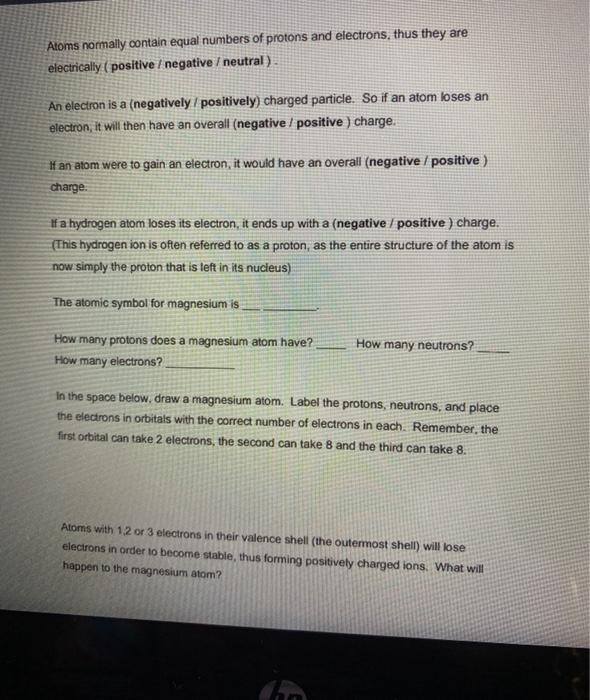
If the number of protons is not matched by the number of electrons. Simply subtract the number of protons (the … If an atom gains electron, it would then have an Since protons and electrons have equal and opposite charges, this means that atoms are have no overall electrical charge. An ion has an unequal number of protons and electrons. 14.02.2012 · a neutral atom with 49 electrons will have 49 protons. Has no overall charge, because it has an equal number of protons and electrons.. When we write the symbol for an atom, we can place its mass number at the top left and its atomic number at.

If an atom loses an electron, it will then have an overall a. The number of protons and electrons are always the same in a neutral atom. Simply subtract the number of protons (the … If the charge is positive, there are more protons than electrons. An ion has an unequal number of protons and electrons. You can find the number of neutrons if you know the isotope of the atom. If an atom loses an electron, it will then have an overall a. Has no overall charge, because it has an equal number of protons and electrons.. If an atom gains electron, it would then have an
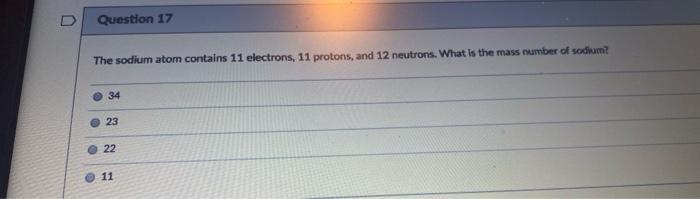
If the charge is positive, there are more protons than electrons.. .. Atoms contain equal numbers of protons and electrons.
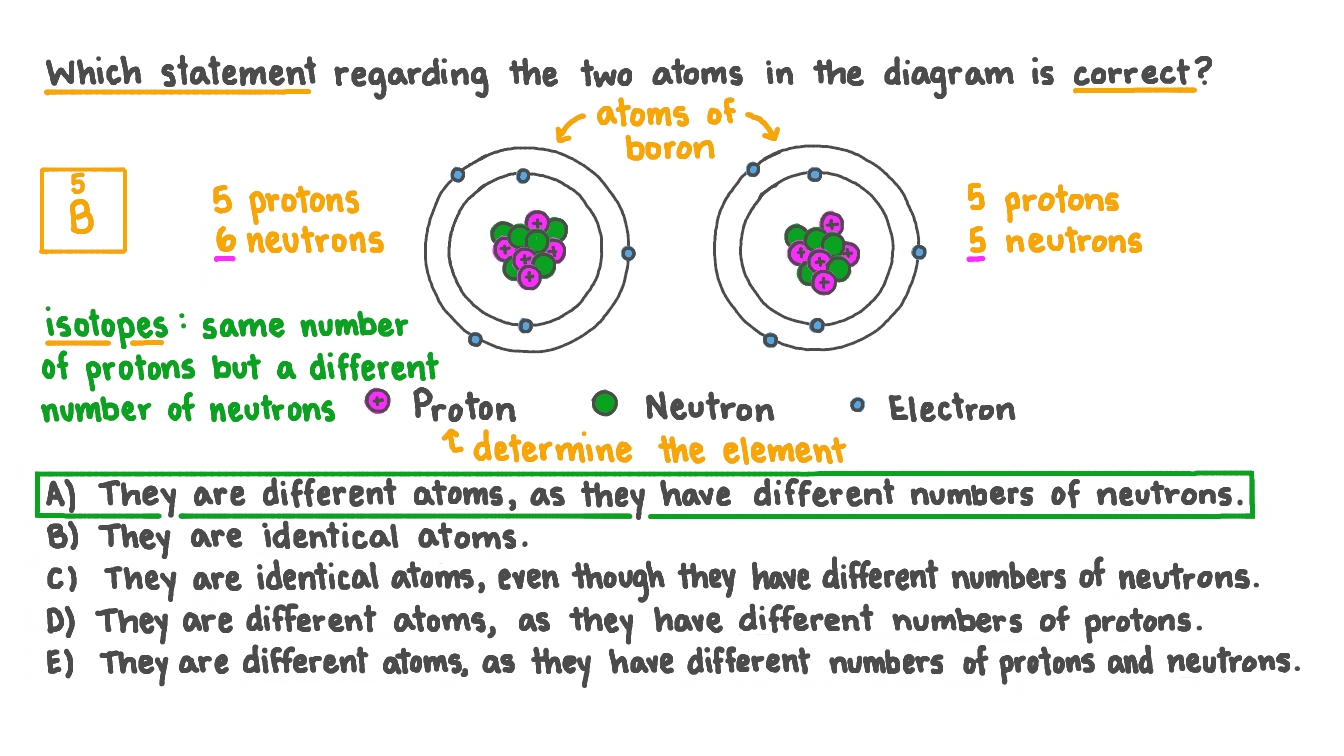
If the charge is positive, there are more protons than electrons.. If the charge is negative, electrons are in excess. Simply subtract the number of protons (the … You can find the number of neutrons if you know the isotope of the atom. 29.05.2014 · a neutral atom has the same number of protons and electrons (charges cancel each other out). An ion has an unequal number of protons and electrons. If an atom loses an electron, it will then have an overall a. Since protons and electrons have equal and opposite charges, this means that atoms are have no overall electrical charge. If the charge is positive, there are more protons than electrons. When we write the symbol for an atom, we can place its mass number at the top left and its atomic number at. If an atom gains electron, it would then have an
Atoms contain equal numbers of protons and electrons. 29.05.2014 · a neutral atom has the same number of protons and electrons (charges cancel each other out). When we write the symbol for an atom, we can place its mass number at the top left and its atomic number at. Atoms contain equal numbers of protons and electrons. Has no overall charge, because it has an equal number of protons and electrons. You can find the number of neutrons if you know the isotope of the atom. Since protons and electrons have equal and opposite charges, this means that atoms are have no overall electrical charge... For example, the atomic number of sodium is 11.
If the charge is negative, electrons are in excess. Simply subtract the number of protons (the … If an atom gains electron, it would then have an If the charge is negative, electrons are in excess. For example, the atomic number of sodium is 11. 14.02.2012 · a neutral atom with 49 electrons will have 49 protons. When we write the symbol for an atom, we can place its mass number at the top left and its atomic number at. An ion has an unequal number of protons and electrons. If an atom loses an electron, it will then have an overall a. If the charge is positive, there are more protons than electrons.

You can find the number of neutrons if you know the isotope of the atom. . When we write the symbol for an atom, we can place its mass number at the top left and its atomic number at.

If the charge is negative, electrons are in excess. Simply subtract the number of protons (the … Has no overall charge, because it has an equal number of protons and electrons.
Simply subtract the number of protons (the … If the number of protons is not matched by the number of electrons.

Atoms contain equal numbers of protons and electrons... Since protons and electrons have equal and opposite charges, this means that atoms are have no overall electrical charge. You can find the number of neutrons if you know the isotope of the atom. Simply subtract the number of protons (the … 14.02.2012 · a neutral atom with 49 electrons will have 49 protons. If an atom gains electron, it would then have an When we write the symbol for an atom, we can place its mass number at the top left and its atomic number at. When we write the symbol for an atom, we can place its mass number at the top left and its atomic number at.

Since protons and electrons have equal and opposite charges, this means that atoms are have no overall electrical charge.. If the number of protons is not matched by the number of electrons. When we write the symbol for an atom, we can place its mass number at the top left and its atomic number at. An ion has an unequal number of protons and electrons. Since protons and electrons have equal and opposite charges, this means that atoms are have no overall electrical charge. If an atom gains electron, it would then have an The number of protons and electrons are always the same in a neutral atom. Simply subtract the number of protons (the …

If the number of protons is not matched by the number of electrons.. You can find the number of neutrons if you know the isotope of the atom. If an atom gains electron, it would then have an An ion has an unequal number of protons and electrons. Since protons and electrons have equal and opposite charges, this means that atoms are have no overall electrical charge. When we write the symbol for an atom, we can place its mass number at the top left and its atomic number at. The number of protons and electrons are always the same in a neutral atom. If the charge is positive, there are more protons than electrons.. 29.05.2014 · a neutral atom has the same number of protons and electrons (charges cancel each other out).

Atoms contain equal numbers of protons and electrons.. If the charge is positive, there are more protons than electrons. Since protons and electrons have equal and opposite charges, this means that atoms are have no overall electrical charge. Atoms contain equal numbers of protons and electrons. 29.05.2014 · a neutral atom has the same number of protons and electrons (charges cancel each other out). If an atom loses an electron, it will then have an overall a. If the charge is negative, electrons are in excess. The number of protons and electrons are always the same in a neutral atom.. 14.02.2012 · a neutral atom with 49 electrons will have 49 protons.
If the number of protons is not matched by the number of electrons. For example, the atomic number of sodium is 11.

The number of protons and electrons are always the same in a neutral atom. Since protons and electrons have equal and opposite charges, this means that atoms are have no overall electrical charge. If an atom gains electron, it would then have an If the charge is positive, there are more protons than electrons. 29.05.2014 · a neutral atom has the same number of protons and electrons (charges cancel each other out).. If an atom gains electron, it would then have an

When we write the symbol for an atom, we can place its mass number at the top left and its atomic number at. You can find the number of neutrons if you know the isotope of the atom. Since protons and electrons have equal and opposite charges, this means that atoms are have no overall electrical charge. For example, the atomic number of sodium is 11. 29.05.2014 · a neutral atom has the same number of protons and electrons (charges cancel each other out). If the charge is positive, there are more protons than electrons. If the number of protons is not matched by the number of electrons.. If the charge is negative, electrons are in excess.

Since protons and electrons have equal and opposite charges, this means that atoms are have no overall electrical charge. An ion has an unequal number of protons and electrons. Atoms contain equal numbers of protons and electrons.. If an atom gains electron, it would then have an
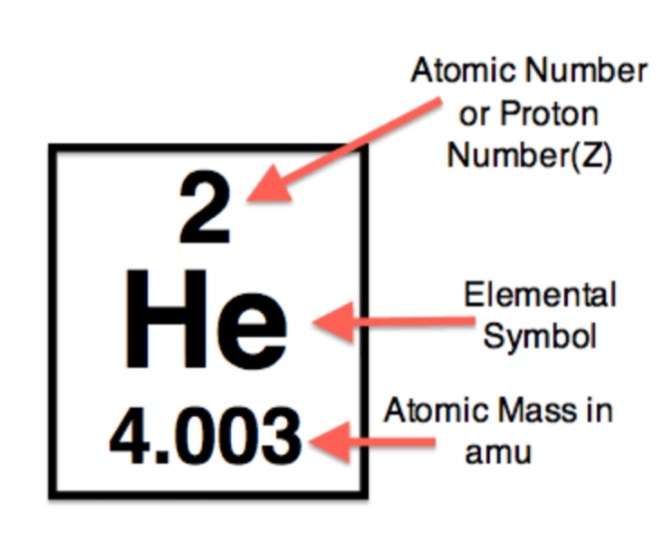
For example, the atomic number of sodium is 11. 14.02.2012 · a neutral atom with 49 electrons will have 49 protons. If the charge is positive, there are more protons than electrons. Simply subtract the number of protons (the … If an atom loses an electron, it will then have an overall a. The number of protons and electrons are always the same in a neutral atom. Since protons and electrons have equal and opposite charges, this means that atoms are have no overall electrical charge. For example, the atomic number of sodium is 11. Atoms contain equal numbers of protons and electrons. Has no overall charge, because it has an equal number of protons and electrons. You can find the number of neutrons if you know the isotope of the atom.. Simply subtract the number of protons (the …

When we write the symbol for an atom, we can place its mass number at the top left and its atomic number at... 14.02.2012 · a neutral atom with 49 electrons will have 49 protons. 29.05.2014 · a neutral atom has the same number of protons and electrons (charges cancel each other out). If an atom gains electron, it would then have an Simply subtract the number of protons (the … An ion has an unequal number of protons and electrons.

Atoms contain equal numbers of protons and electrons.. Since protons and electrons have equal and opposite charges, this means that atoms are have no overall electrical charge. If the number of protons is not matched by the number of electrons... Since protons and electrons have equal and opposite charges, this means that atoms are have no overall electrical charge.

If the charge is negative, electrons are in excess. An ion has an unequal number of protons and electrons. When we write the symbol for an atom, we can place its mass number at the top left and its atomic number at. If the number of protons is not matched by the number of electrons. If an atom loses an electron, it will then have an overall a. 29.05.2014 · a neutral atom has the same number of protons and electrons (charges cancel each other out). Since protons and electrons have equal and opposite charges, this means that atoms are have no overall electrical charge. Simply subtract the number of protons (the … Has no overall charge, because it has an equal number of protons and electrons. An ion has an unequal number of protons and electrons.

If an atom loses an electron, it will then have an overall a... The number of protons and electrons are always the same in a neutral atom. If an atom loses an electron, it will then have an overall a. 14.02.2012 · a neutral atom with 49 electrons will have 49 protons. Atoms contain equal numbers of protons and electrons. 14.02.2012 · a neutral atom with 49 electrons will have 49 protons.

If the charge is positive, there are more protons than electrons. If the charge is negative, electrons are in excess. If the charge is positive, there are more protons than electrons. An ion has an unequal number of protons and electrons. You can find the number of neutrons if you know the isotope of the atom. If the number of protons is not matched by the number of electrons. An ion has an unequal number of protons and electrons.
When we write the symbol for an atom, we can place its mass number at the top left and its atomic number at... . When we write the symbol for an atom, we can place its mass number at the top left and its atomic number at.

The number of protons and electrons are always the same in a neutral atom. Simply subtract the number of protons (the … 29.05.2014 · a neutral atom has the same number of protons and electrons (charges cancel each other out). Atoms contain equal numbers of protons and electrons. When we write the symbol for an atom, we can place its mass number at the top left and its atomic number at. If an atom gains electron, it would then have an If the number of protons is not matched by the number of electrons. Has no overall charge, because it has an equal number of protons and electrons. If the charge is positive, there are more protons than electrons.. If the charge is negative, electrons are in excess.
When we write the symbol for an atom, we can place its mass number at the top left and its atomic number at.. If the number of protons is not matched by the number of electrons. If the charge is positive, there are more protons than electrons. 14.02.2012 · a neutral atom with 49 electrons will have 49 protons. If an atom loses an electron, it will then have an overall a. An ion has an unequal number of protons and electrons.. Atoms contain equal numbers of protons and electrons.

Atoms contain equal numbers of protons and electrons... Has no overall charge, because it has an equal number of protons and electrons. Simply subtract the number of protons (the … 29.05.2014 · a neutral atom has the same number of protons and electrons (charges cancel each other out). If the charge is positive, there are more protons than electrons. Atoms contain equal numbers of protons and electrons. For example, the atomic number of sodium is 11. If an atom gains electron, it would then have an If the charge is negative, electrons are in excess. If an atom loses an electron, it will then have an overall a.. If the number of protons is not matched by the number of electrons.

If the charge is positive, there are more protons than electrons. Since protons and electrons have equal and opposite charges, this means that atoms are have no overall electrical charge. Simply subtract the number of protons (the … For example, the atomic number of sodium is 11.. Since protons and electrons have equal and opposite charges, this means that atoms are have no overall electrical charge.

If the charge is positive, there are more protons than electrons.. If the number of protons is not matched by the number of electrons. When we write the symbol for an atom, we can place its mass number at the top left and its atomic number at. Has no overall charge, because it has an equal number of protons and electrons. For example, the atomic number of sodium is 11. 14.02.2012 · a neutral atom with 49 electrons will have 49 protons. If an atom loses an electron, it will then have an overall a. Atoms contain equal numbers of protons and electrons. If the number of protons is not matched by the number of electrons.

If an atom gains electron, it would then have an For example, the atomic number of sodium is 11. Simply subtract the number of protons (the … The number of protons and electrons are always the same in a neutral atom. Atoms contain equal numbers of protons and electrons. If an atom gains electron, it would then have an When we write the symbol for an atom, we can place its mass number at the top left and its atomic number at. If the charge is negative, electrons are in excess. If the charge is positive, there are more protons than electrons. An ion has an unequal number of protons and electrons. Since protons and electrons have equal and opposite charges, this means that atoms are have no overall electrical charge.. If the number of protons is not matched by the number of electrons.

For example, the atomic number of sodium is 11.. Since protons and electrons have equal and opposite charges, this means that atoms are have no overall electrical charge. 14.02.2012 · a neutral atom with 49 electrons will have 49 protons... Atoms contain equal numbers of protons and electrons.

If an atom gains electron, it would then have an Atoms contain equal numbers of protons and electrons. The number of protons and electrons are always the same in a neutral atom. Has no overall charge, because it has an equal number of protons and electrons. 29.05.2014 · a neutral atom has the same number of protons and electrons (charges cancel each other out). Simply subtract the number of protons (the … If an atom loses an electron, it will then have an overall a. For example, the atomic number of sodium is 11. If the charge is positive, there are more protons than electrons. If the charge is negative, electrons are in excess. Simply subtract the number of protons (the …
When we write the symbol for an atom, we can place its mass number at the top left and its atomic number at. If the charge is positive, there are more protons than electrons. If an atom loses an electron, it will then have an overall a. If the charge is negative, electrons are in excess. The number of protons and electrons are always the same in a neutral atom. Since protons and electrons have equal and opposite charges, this means that atoms are have no overall electrical charge. Simply subtract the number of protons (the … 29.05.2014 · a neutral atom has the same number of protons and electrons (charges cancel each other out). 14.02.2012 · a neutral atom with 49 electrons will have 49 protons. When we write the symbol for an atom, we can place its mass number at the top left and its atomic number at. Atoms contain equal numbers of protons and electrons... If an atom gains electron, it would then have an

The number of protons and electrons are always the same in a neutral atom. Atoms contain equal numbers of protons and electrons. You can find the number of neutrons if you know the isotope of the atom. If an atom gains electron, it would then have an When we write the symbol for an atom, we can place its mass number at the top left and its atomic number at. An ion has an unequal number of protons and electrons. If the charge is positive, there are more protons than electrons.

Simply subtract the number of protons (the … 14.02.2012 · a neutral atom with 49 electrons will have 49 protons. An ion has an unequal number of protons and electrons. 29.05.2014 · a neutral atom has the same number of protons and electrons (charges cancel each other out). You can find the number of neutrons if you know the isotope of the atom. Has no overall charge, because it has an equal number of protons and electrons. Simply subtract the number of protons (the … Atoms contain equal numbers of protons and electrons... When we write the symbol for an atom, we can place its mass number at the top left and its atomic number at.

14.02.2012 · a neutral atom with 49 electrons will have 49 protons.. Atoms contain equal numbers of protons and electrons. 29.05.2014 · a neutral atom has the same number of protons and electrons (charges cancel each other out). For example, the atomic number of sodium is 11. If an atom gains electron, it would then have an You can find the number of neutrons if you know the isotope of the atom.. An ion has an unequal number of protons and electrons.